

 Schedule Service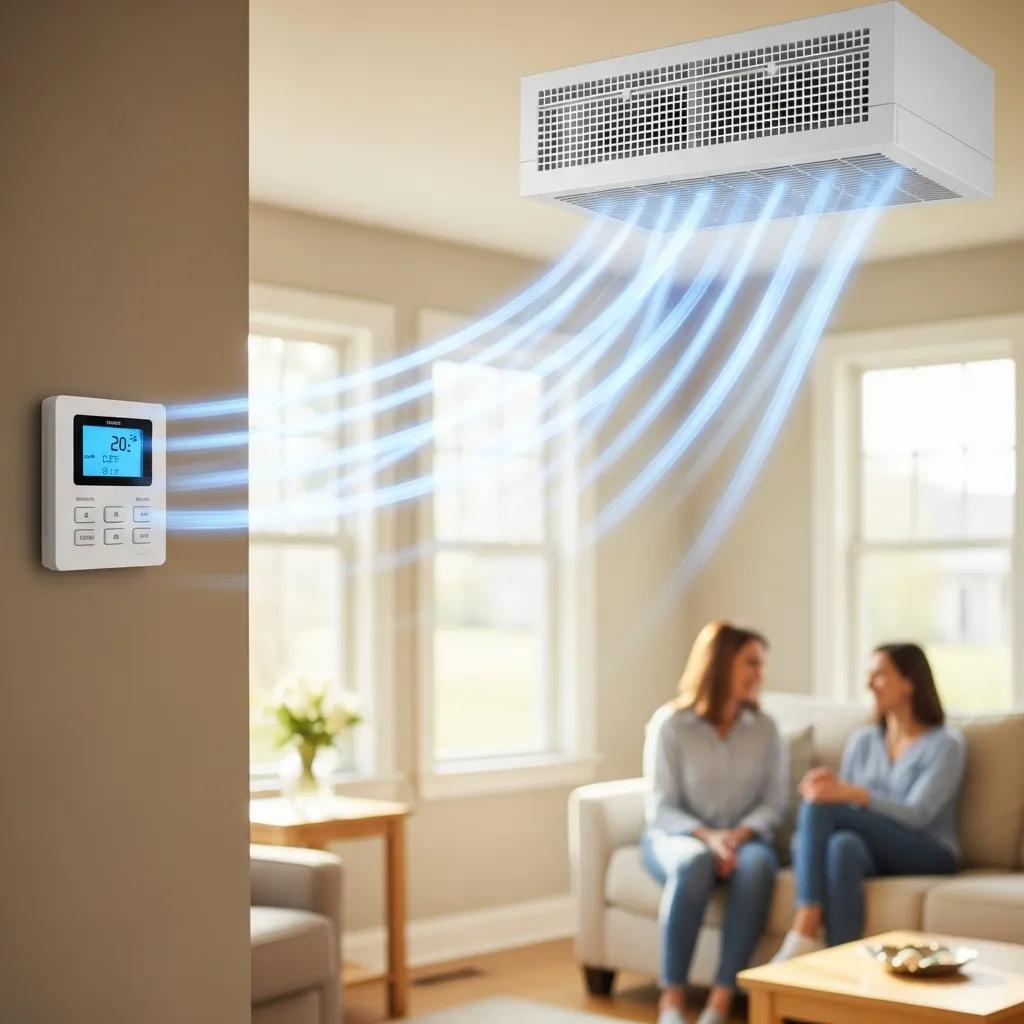
Top Energy Saving Tips for Your HVAC System
Energy costs are rising, making homeowners and businesses seek ways to reduce HVAC expenses. This guide offers actionable tips to save energy without sacrificing comfort, covering maintenance, smart thermostats, duct sealing, insulation, and more. Small, consistent actions significantly improve efficiency and lead to meaningful reductions in energy expenses.
Why High Energy Bills Affect Your Home Comfort
High energy expenses often stem from poor HVAC performance. Restricted airflow, dirty filters, blocked vents, clogged return ducts, and incorrect thermostat settings force your system to work harder, consuming more energy. Regular maintenance and proper thermostat settings are key to managing expenses and maintaining comfort.
Causes of HVAC Inefficiencies and Increased Costs
- Restricted Airflow: Dirty filters, blocked vents, obstructed return ducts, and dust on evaporator coils make your system less efficient.
- Thermostat Issues: Incorrect settings, faulty units, or poor placement lead to unnecessary run time and wasted energy.
- Mechanical Failures: Hidden faults like clogged coils or failing blower motors reduce efficiency and increase costs.
Routine inspections and simple homeowner checks (filters, vents, unusual noises) help catch problems early, preventing costly repairs and ensuring efficient operation.
Energy-Efficient HVAC Solutions for Comfort and Savings
Energy-efficient HVAC choices and consistent upkeep improve comfort and reduce expenses. Cleaning coils, repairing thermostat controls, and fixing minor faults prevent small issues from escalating. Upgrading components like higher-efficiency fans or variable-speed motors can also enhance performance and extend equipment life.
How Regular HVAC Maintenance Saves Energy and Extends System Life
Regular HVAC maintenance prevents small problems from becoming major issues, saving energy and extending equipment life. Cleaning coils, servicing blower fans, and calibrating thermostats restore efficiency, reduce breakdowns, and lower operating expenses. Technicians perform comprehensive checks including refrigerant, coils, belts, motors, safety controls, and airflow to ensure longevity and efficiency.
Essential Seasonal Maintenance Tasks for HVAC Energy Savings
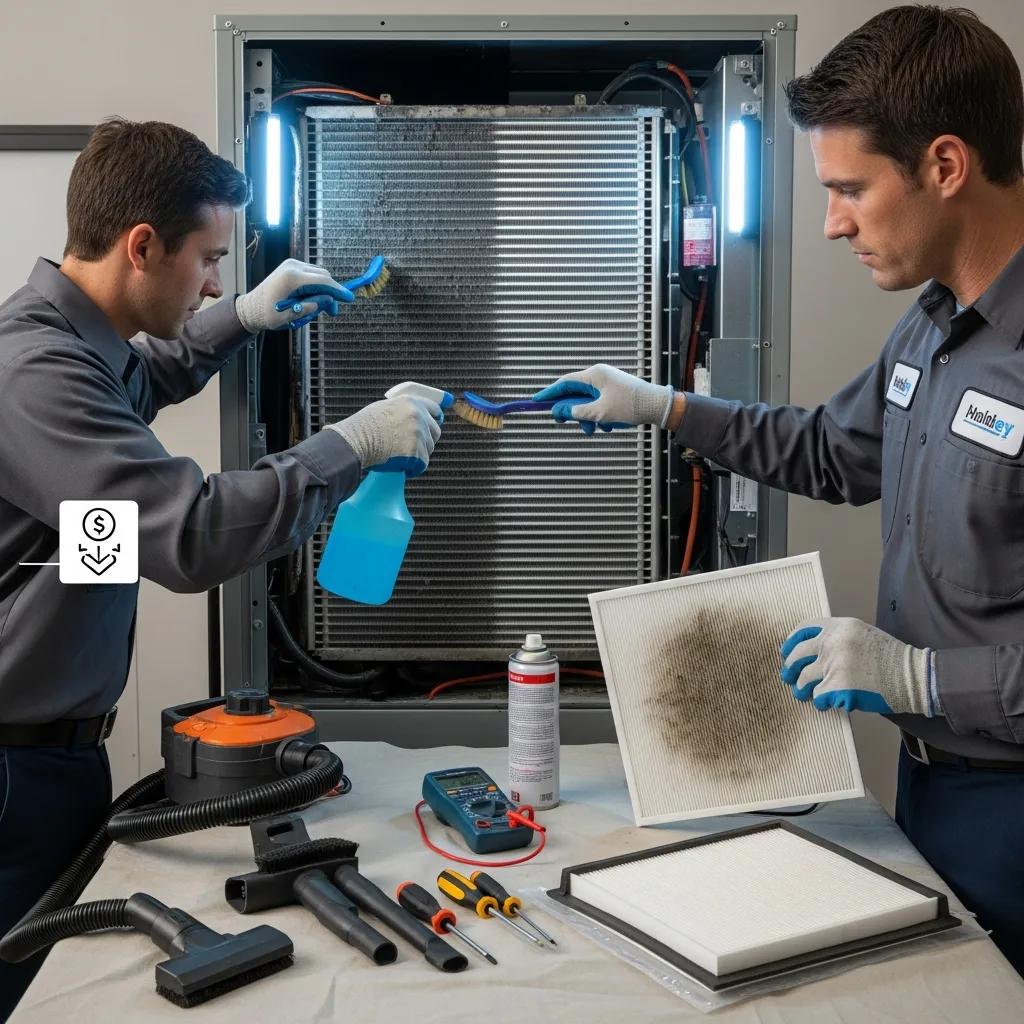
- Clean Evaporator Coils: Ensures efficient heat exchange.
- Inspect/Replace Blower Fan: Maintains proper airflow.
- Fix Thermostat Controls: Prevents unnecessary runtime.
- Conduct Regular Inspections: Catches minor problems early.
Seasonal checklists (e.g., clearing outdoor units in spring, testing heating in fall) and homeowner checks (drains, filters, vents) support continuous efficiency.
Why Choose Professional HVAC Maintenance?
Professional HVAC maintenance is valuable because technicians identify issues homeowners miss. They restore cooling, address faults, and ensure correct component operation, reducing expensive breakdowns. Professionals offer expertise, diagnostic tools, safety practices, and help preserve warranties.
Benefits of Installing a Smart Thermostat for HVAC Energy Savings
A smart thermostat significantly boosts efficiency by offering precise control and adapting to your routine, running the HVAC only when needed. This intelligent approach lowers monthly utility expenses. To maximize benefits, program realistic schedules, use features like geofencing, and review usage reports. Remote sensors can balance comfort in multi-floor homes.
How Smart Thermostats Reduce Energy Consumption
Smart thermostats improve efficiency through accurate temperature readings and optimized run times, reducing short cycling. Adaptive scheduling, occupancy sensing, weather integration, and remote access further minimize energy waste and allow for timely adjustments.
Features to Look for in a Smart Thermostat
- Accurate Temperature Readings: Prevents overcooling/overheating.
- Neutral Installation Spot: Avoids false readings.
- Ability to Set/Maintain Temperatures: Balances comfort and efficiency.
- Avoid Frequent Changes: Prevents unnecessary cycling.
- Regular Calibration/Replacement: Ensures long-term accuracy.
- System Compatibility: Ensures smooth integration.
Confirm compatibility with your HVAC system and check for features like HVAC diagnostic alerts.
How Duct Sealing and Insulation Maximize HVAC Efficiency
Sealing and insulating ducts prevent airflow loss, ensuring conditioned air reaches living spaces effectively and preserving temperature. Regular checks catch internal airflow issues early, preventing efficiency and comfort problems.
Signs of Leaky Ducts and Energy Loss
- Ice buildup on AC components.
- Weak or warm airflow from vents.
- Water/dripping from condensation.
- System runs constantly without effective cooling.
- Noticeable rise in indoor humidity.
Leaky ducts are often hidden. Professional duct tests or visual inspections reveal failures, allowing for targeted repairs and insulation in unconditioned spaces.
Professional Methods to Improve Duct Sealing and Insulation
- Aeroseal Technology: Seals ducts internally, even in inaccessible areas.
- Insulation Installation: Reduces heat loss/gain during air transit.
- Regular Inspections: Quick detection and repair of leaks.
Aeroseal is ideal for widespread, inaccessible leaks, while targeted sealing works for accessible systems. Insulate ducts in attics and basements to limit thermal losses.
When to Upgrade to an Energy-Efficient HVAC System or Heat Pump
Upgrading to an energy-efficient HVAC system or heat pump can provide substantial long-term reductions in energy expenses. Consider replacement if your system is 10–15 years old, needs frequent repairs, or struggles with comfort. A new system offers improved comfort and lower utility costs. Discuss financing, rebates, and installation with a qualified contractor.
Heat Pumps for Year-Round Energy Savings
Heat pumps move heat rather than generate it, using far less energy for heating and cooling, especially in moderate climates. This efficiency translates to steady year-round savings. Consider air-source or ground-source options, sizing, and backup heating with a technician.
Efficiency Ratings for HVAC Upgrades
Look for high efficiency ratings when upgrading:
- SEER (Seasonal Energy Efficiency Ratio): Measures cooling efficiency (higher is better).
- HSPF (Heating Seasonal Performance Factor): Shows heat pump heating efficiency (higher is better).
- AFUE (Annual Fuel Utilization Efficiency): Rates gas furnace heating efficiency (higher percentage is better).
Higher ratings mean lower energy use and reduced operating expenses, making them a worthwhile long-term investment.
Optimizing Air Filters for HVAC Performance and Energy Savings
Using the right air filters and replacing them regularly maintains steady airflow and prevents issues like frozen coils. Dirty filters restrict circulation, forcing the system to work harder and consume more energy. Changing filters every 1–3 months maintains efficiency and reduces failure risks.
Why Regular Air Filter Replacement is Critical
Dirty air filters limit airflow, causing coil freezing and inefficient operation. This forces your HVAC system to work harder. Regular replacement keeps airflow stable, protects the system, and supports efficient performance, lowering energy expenses.
Choosing the Right MERV Rating
The right MERV (Minimum Efficiency Reporting Value) balances air quality and airflow. A MERV between 8 and 13 is good for most homes, offering filtration without overloading the system. Consider household factors like pets or allergies, and ensure compatibility with your system.
Advantages of HVAC Zoning for Customized Comfort and Reduced Energy Waste
HVAC zoning provides temperature control by area, conditioning only used spaces. This tailored approach boosts comfort and significantly cuts energy waste, making your home more efficient.
How HVAC Zoning Saves Energy in Multi-Zone Homes
Zoning uses multiple thermostats and dampers to direct airflow to specific parts of the home, allowing different temperatures by zone. This avoids wasting energy on unoccupied rooms, reducing overall consumption. Effective zoning requires careful design of duct layout, damper placement, and control logic.
Energy Savings and Comfort Benefits of Zoning Systems
- Increased Comfort: Personalized temperatures for different areas.
- Energy Savings: Conditioning only occupied spaces lowers utility expenses.
- Improved System Efficiency: Less strain leads to longer system life.
Balance the number of zones against system capacity and complexity. A professional assessment can determine the ideal zoning strategy.
Start Saving Energy Today with a Personalized HVAC Consultation
Schedule a personalized HVAC consultation with Johnny On The Spot Heating & Cooling to find efficiency losses, fix problems, and ensure peak performance. Contact us for an estimate or service visit to start your journey to a more efficient home.
What to Expect from an Expert HVAC Energy Efficiency Assessment
- Evaluation of airflow and ductwork for leaks or blockages.
- Inspection of insulation and sealing to prevent energy loss.
- Clear recommendations to improve comfort and lower energy use.
A good assessment prioritizes improvements by cost and impact, outlining necessary repairs versus optional upgrades. Ask for a written summary to compare options.
How Johnny On The Spot Heating & Cooling Supports Your Energy Saving Goals
Johnny On The Spot Heating & Cooling helps local homeowners save energy through routine maintenance, prompt repairs, and targeted upgrades. Our technicians address issues like refrigerant leaks, thermostat problems, and duct issues, ensuring systems run efficiently for Lincolnton residents. We provide practical, prioritized recommendations tailored to each home’s budget and usage.
Ready to Optimize Your HVAC for Maximum Savings?
Small, consistent steps—regular maintenance, the right thermostat, sealed ducts, and proper filters—lead to meaningful energy savings and reliable comfort. Proactive measures reduce utility expenses and extend HVAC lifespan. Take control today by scheduling a personalized consultation with our team.
Start with the basics: check filters, clear vents, set sensible thermostat schedules, and book an annual inspection. These actions reduce wear, save energy, and keep your home comfortable year-round.